
Hardwood is the floor a lot of homeowners picture when they think “upgrade.” But “hardwood” covers more ground than most people realize. There are two very different ways to build a wood floor, dozens of species, and several finishes — and in a humid state like Mississippi, those choices matter.
Here is a plain-English guide to what hardwood flooring is, the kinds you can choose from, and where each one makes sense in a Central Mississippi home.
What Counts as Hardwood Flooring?
Hardwood flooring is any floor where the surface you walk on is real wood cut from a hardwood tree, such as oak, hickory, maple, or walnut. That separates it from look-alikes such as luxury vinyl plank (LVP) and laminate, which use a printed image of wood under a protective layer.
Within real hardwood, there are two main types: solid and engineered.
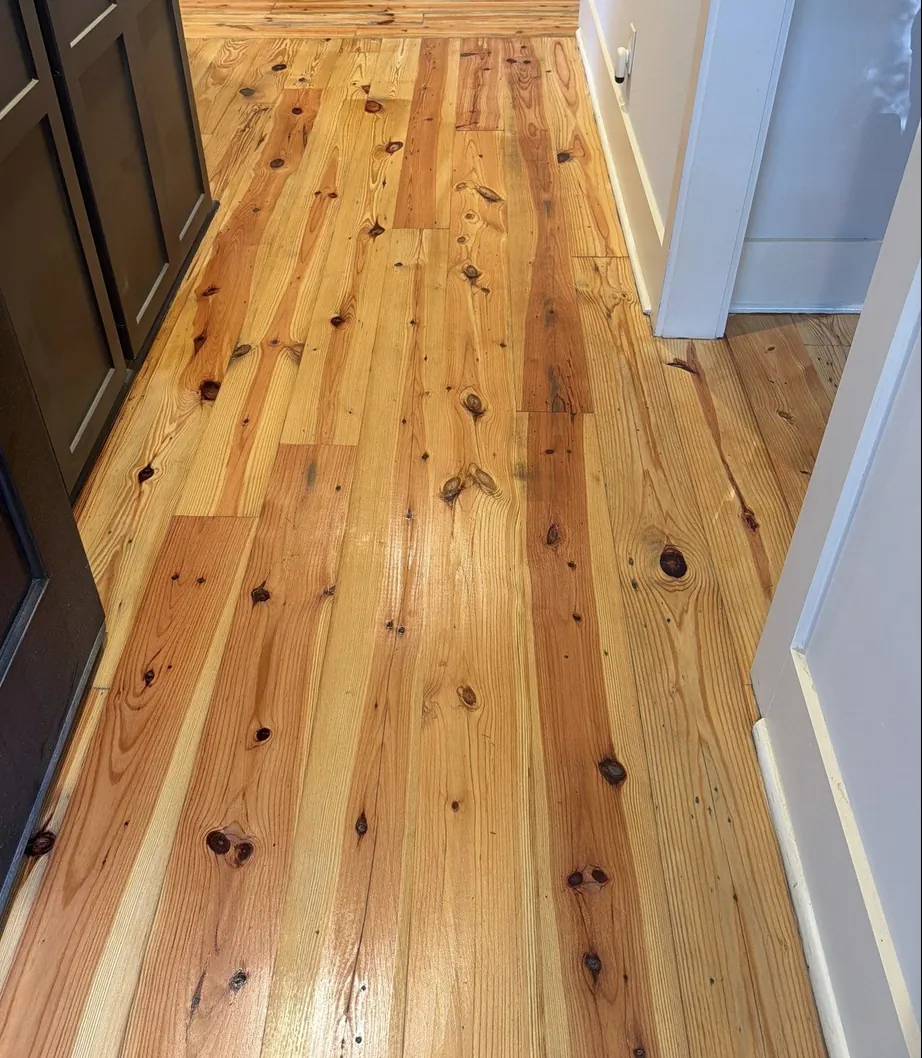
Solid Hardwood
Solid hardwood is exactly what it sounds like: each plank is one piece of wood from top to bottom. It is usually nailed or stapled down over a wood subfloor.
- Pros: Classic look and feel, and it can be sanded and refinished several times over its life.
- Cons: Wood naturally swells and shrinks with humidity, and solid planks move the most. Solid hardwood is generally not recommended directly over concrete slabs or in below-grade spaces.
Engineered Hardwood
Engineered hardwood has a real hardwood top layer bonded to a core of cross-layered plywood or high-density fiberboard. Because the core layers run in different directions, the plank resists the swelling and shrinking that solid wood goes through. This Old House describes engineered wood as more stable against moisture and temperature changes than traditional solid wood.
- Pros: Real wood surface, better stability in humid climates, and more installation options — it can be glued down, nailed, or floated, including over many concrete slabs.
- Cons: How many times it can be refinished depends on the thickness of the top layer.
AVS Flooring supplies and installs both solid and engineered hardwood, so you can choose the construction that fits your home rather than the one a store happens to carry. Browse our flooring products, read about our hardwood installation, or see flooring installation.
The Wear Layer: The Most Important Spec You Have Never Heard Of
On engineered hardwood, the wear layer (also called the veneer) is the real-wood top layer. Its thickness affects three things:
- Refinishing: A thicker wear layer can usually be sanded and refinished; a very thin one may not be.
- Durability: Thicker layers generally stand up better to years of foot traffic.
- Price: More real wood on top usually means a higher price per square foot.
As a rule of thumb, This Old House notes that a 1–2 mm wear layer suits lighter traffic with limited refinishing, while a 3 mm or thicker wear layer can handle high traffic and be refinished more than once.
When comparing two engineered floors that look similar, ask about wear layer thickness, core construction, and finish. Those details explain most price differences.
Common Hardwood Species
Species controls color, grain, and how well the floor resists dents. Here is how popular options compare:
| Species | Look | Dent resistance | Good fit for |
|---|---|---|---|
| Red oak | Warm, pinkish tones with strong grain | Good | Traditional homes, busy family spaces |
| White oak | Neutral to golden-brown, takes modern stains well | Good | Modern farmhouse and neutral palettes |
| Hickory | High color variation, rustic character | Very high | Homes with kids and pets, rustic styles |
| Maple | Light, smooth, subtle grain | High | Clean, bright, contemporary rooms |
| Walnut | Rich chocolate brown | Lower (softer) | Formal rooms and lower-traffic spaces |
| Acacia | Dramatic grain with dark and light streaks | High | Statement floors with lots of character |
Dent resistance is a general comparison of species. Finish, wear layer, and construction also affect real-world durability.
Finishes and Textures
Prefinished vs. site-finished. Most engineered hardwood comes prefinished, meaning the protective coats are applied at the factory. That makes installation faster and cleaner because there is no sanding and drying on site.
Sheen. Matte and satin finishes are popular because they hide scratches, dust, and footprints better than high gloss.
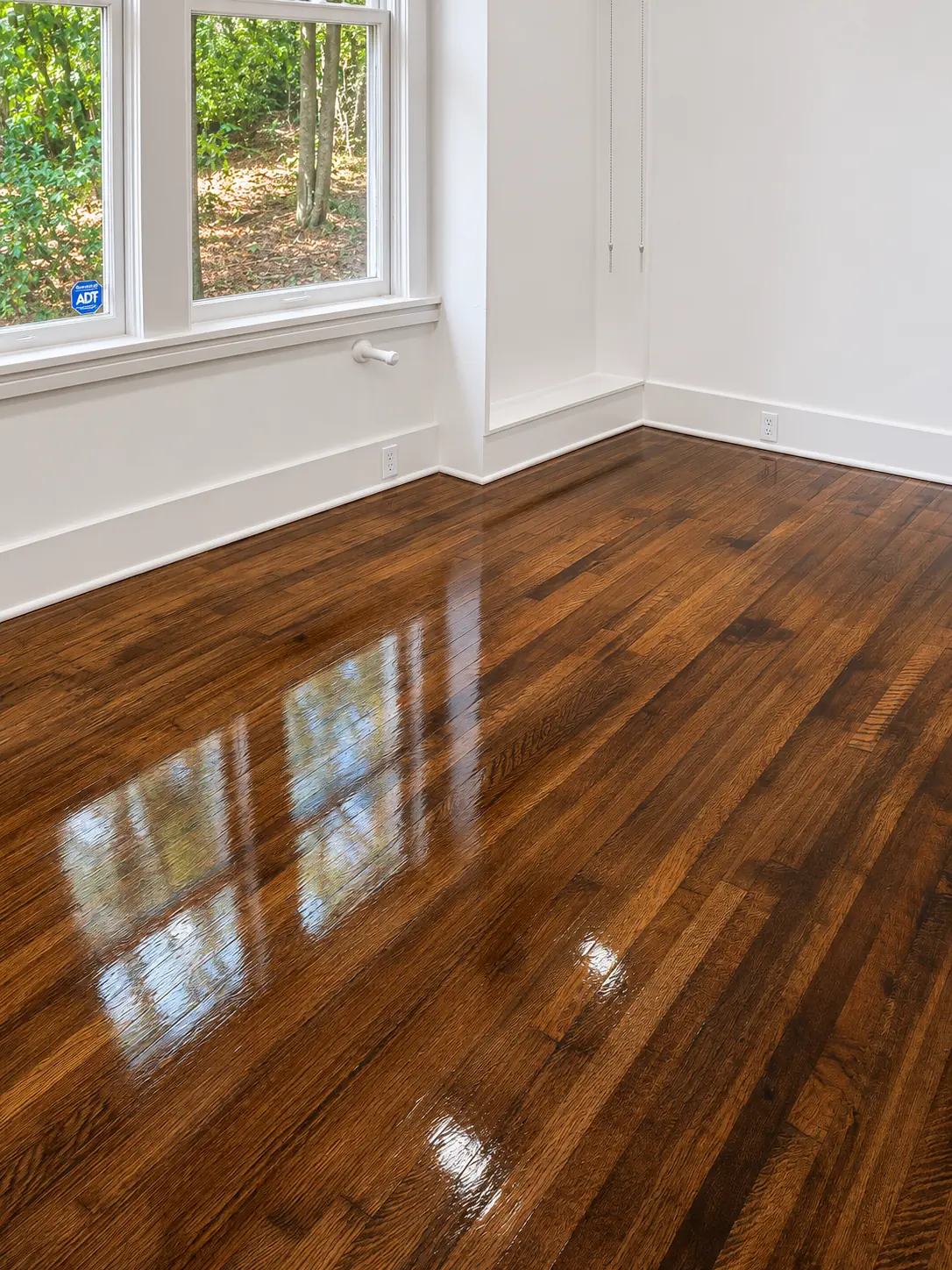
Texture. Wire-brushed and hand-scraped surfaces add character and help disguise everyday wear — a smart choice for homes with dogs or kids.
Color. Mid-tone browns and natural shades tend to hide dust and pet hair better than very dark or very light floors.
Hardwood and Mississippi Humidity
Central Mississippi summers are long and humid, and air conditioning dries the air inside. Wood responds to those swings by expanding and contracting. A few practical tips:
- Engineered is often the better fit here. Its layered core handles humidity changes better than solid planks.
- Keep your HVAC running. Consistent indoor temperature and humidity are easier on any wood floor, even when you are away. This Old House recommends keeping indoor humidity between about 35% and 55% for engineered wood.
- Follow acclimation instructions. Many manufacturers want wood flooring to sit in the home for a set time before installation. Your installer should follow the product’s guidelines.
- Check moisture first. Concrete slabs and crawl spaces can hold moisture. Testing and the right moisture barrier protect the floor. See our floor prep and leveling guide.
Where Hardwood Works Best
- Great fit: Living rooms, dining rooms, bedrooms, home offices, and hallways.
- Works with care: Kitchens, as long as spills are wiped up quickly.
- Better options exist: Full bathrooms, laundry rooms, and mudrooms, where tile or LVP handle water better.
Is Hardwood Worth It for Your Home?
Hardwood is a strong choice when you want real wood character and a premium finished look. If water resistance or budget is the top priority, LVP or tile might fit better. Our side-by-side flooring comparison breaks down the trade-offs, and our flooring cost guide explains what drives the price.
The easiest way to decide is to see it in person. AVS Flooring has a showroom at 4290 Lakeland Dr in Flowood where you can compare real colors and textures, and our team will give you straight answers about what fits your rooms, your household, and your budget. Request a free quote or call 601-953-3073.