
Choosing between luxury vinyl plank (LVP), hardwood, and tile is the biggest decision in most flooring projects. All three can look great. The right one depends on how the room is used, who lives in your home — kids, pets, tenants — and how much maintenance you want to do.
Here is a side-by-side comparison, followed by a room-by-room guide for Central Mississippi homes.
The Quick Answer
- Choose LVP if you want a wood look, water resistance, and easy care at a friendly price. It is a favorite for families, pets, and rentals.
- Choose engineered hardwood if you want real wood character and a premium feel in living areas and bedrooms.
- Choose tile for bathrooms, laundry rooms, showers, and anywhere water is a daily fact of life.
LVP vs. Hardwood vs. Tile: Side-by-Side Comparison
| Factor | LVP | Engineered hardwood | Tile |
|---|---|---|---|
| Moisture | Very good; many products are water-resistant or waterproof | Fair; wipe spills quickly, avoid wet rooms | Excellent; ideal for wet areas |
| Pets | Very good; resists scratches and accidents | Fair to good; harder species and matte finishes help | Excellent; very hard to scratch |
| Kids | Very good; durable and softer underfoot | Good; can dent and scratch | Good; durable, but hard for falls and dropped dishes |
| Comfort underfoot | Warm and slightly cushioned, especially with a pad | Warm, natural feel | Hard and cool |
| Durability | High; depends on wear layer thickness | Good; can often be refinished if wear layer allows | Very high when installed on a flat, solid base |
| Look | Realistic wood and stone visuals | Genuine wood grain and character | Marble, stone, wood-look, and modern finishes |
| Maintenance | Sweep and damp mop | Sweep, wood-safe cleaner, no standing water | Sweep and mop; grout may need periodic cleaning or sealing |
| Repairs | Damaged planks can often be replaced | Spot repairs or refinishing, depending on product | Cracked tiles can be replaced; matching may be harder later |
| Relative installed cost | $ to $$ | $$ to $$$ | $$ to $$$ |
Relative cost is based on published national averages: about $6–$20 per sq. ft. installed for LVP (This Old House, using Angi data), $7–$20 per sq. ft. installed for engineered hardwood (Angi), and tile labor of $3–$15 per sq. ft. plus materials (Angi). Local pricing varies. See our flooring cost guide for what drives price.
A Closer Look at Each Option
Luxury vinyl plank (LVP)
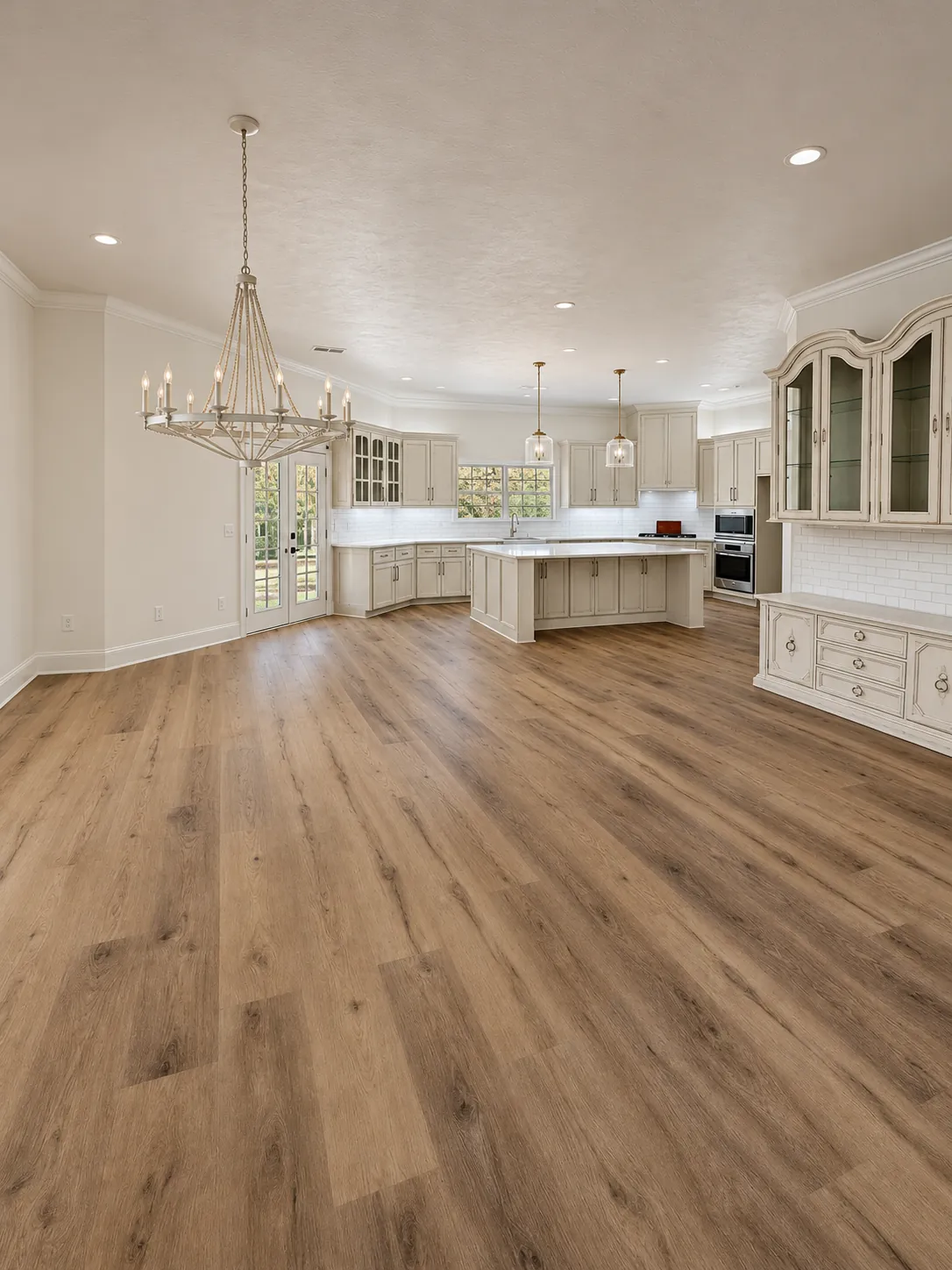
LVP is a layered product with a rigid or flexible core, a printed wood or stone design, and a clear wear layer on top. It handles spills, pets, and everyday traffic well and is comfortable to walk on. The trade-off: it cannot be refinished, and it needs a flat subfloor because it can show dips and humps underneath. AVS Flooring installs luxury vinyl plank flooring for homes, rentals, and commercial spaces — see current LVP products.
Engineered hardwood
Engineered hardwood has a real-wood top layer over a stable core, so you get genuine wood character with better humidity resistance than solid planks. It is the warmest, most “finished” look of the three, but it is not the right choice for full bathrooms or laundry rooms. Learn more in What Is Hardwood Flooring? Prefer solid hardwood? AVS Flooring supplies and installs both solid and engineered hardwood; see our hardwood services.
Tile
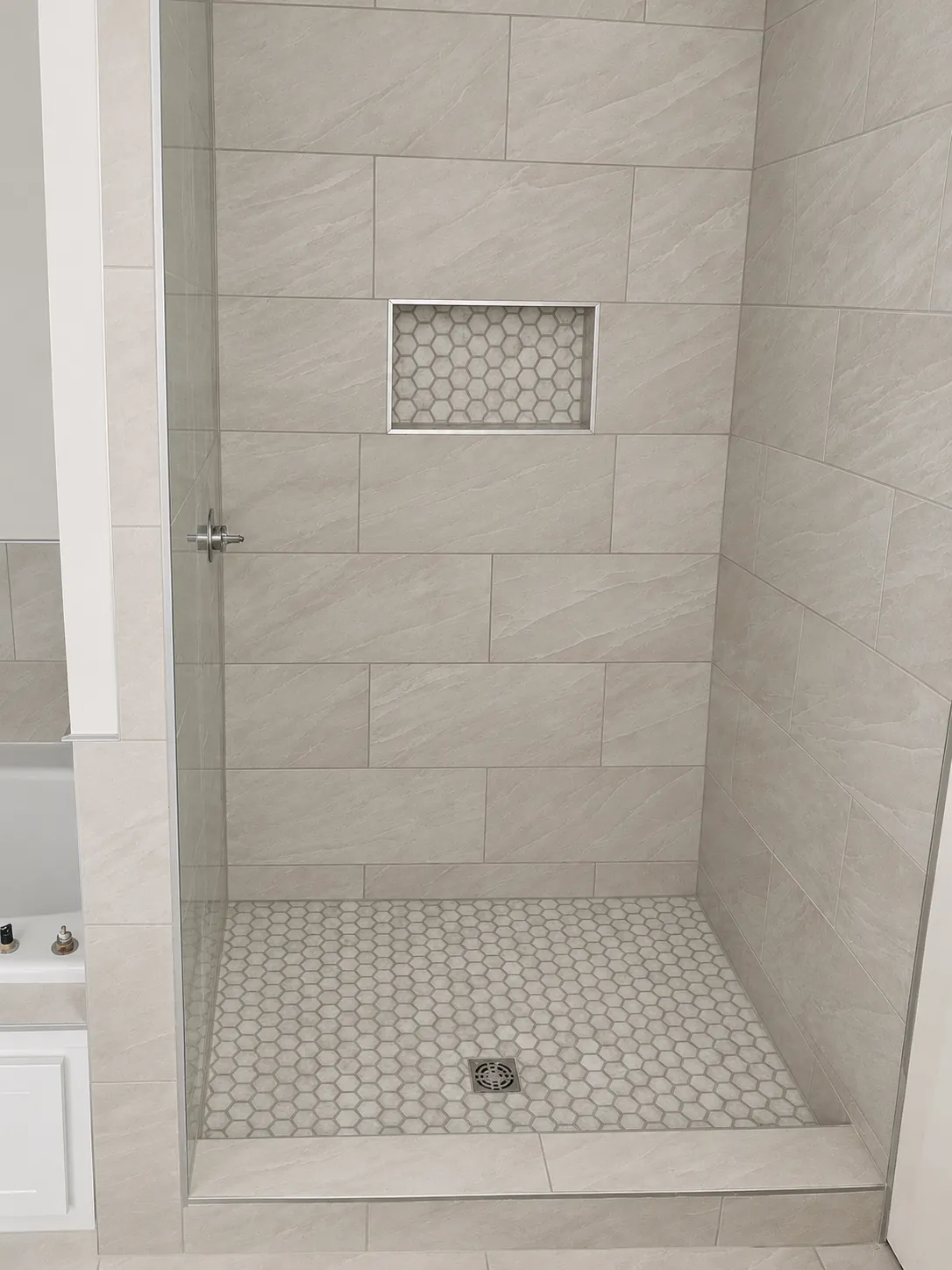
Porcelain and ceramic tile are the champions of moisture and wear. Tile comes in marble-look, stone-look, wood-look, and clean modern styles. It costs more in labor because each piece is set by hand, and it demands a flat, rigid base — otherwise grout and tiles can crack. AVS Flooring installs tile flooring for kitchens, bathrooms, entryways, laundry rooms, showers, and more.
Room-by-Room Flooring Guide
| Room | Best fits | Why |
|---|---|---|
| Kitchen | LVP or tile | Spills, dropped food, and heavy traffic; engineered hardwood can work if you wipe up quickly |
| Bathrooms | Tile (or LVP in half baths) | Daily water and humidity |
| Laundry room | Tile or LVP | Risk of leaks from washers and water heaters |
| Living and family rooms | LVP or engineered hardwood | Comfort, warmth, and a continuous look through open floor plans |
| Bedrooms | Engineered hardwood or LVP | Quiet, warm, and comfortable underfoot |
| Entryway and mudroom | Tile or LVP | Wet shoes, dirt, and grit |
| Rental properties | LVP | Durable, water-resistant, and planks can often be replaced individually |
| Offices and retail spaces | LVP or tile | Higher traffic and easy cleaning; see commercial flooring |
Five Questions to Ask Before You Choose
- Will this room get wet? If yes, lean toward tile or LVP.
- Who lives here? Big dogs, toddlers, and tenants all favor LVP or tile.
- How long will you stay? Planning to sell soon? Pick a neutral look that appeals to buyers. Staying long-term? Buy the floor you love.
- What is underneath? A concrete slab or an uneven subfloor affects which products work and how much prep is needed. See why floor prep matters.
- Do you want one floor throughout? Running one LVP or engineered floor through connected rooms makes a home feel larger and reduces transitions.
Mixing Floors the Right Way
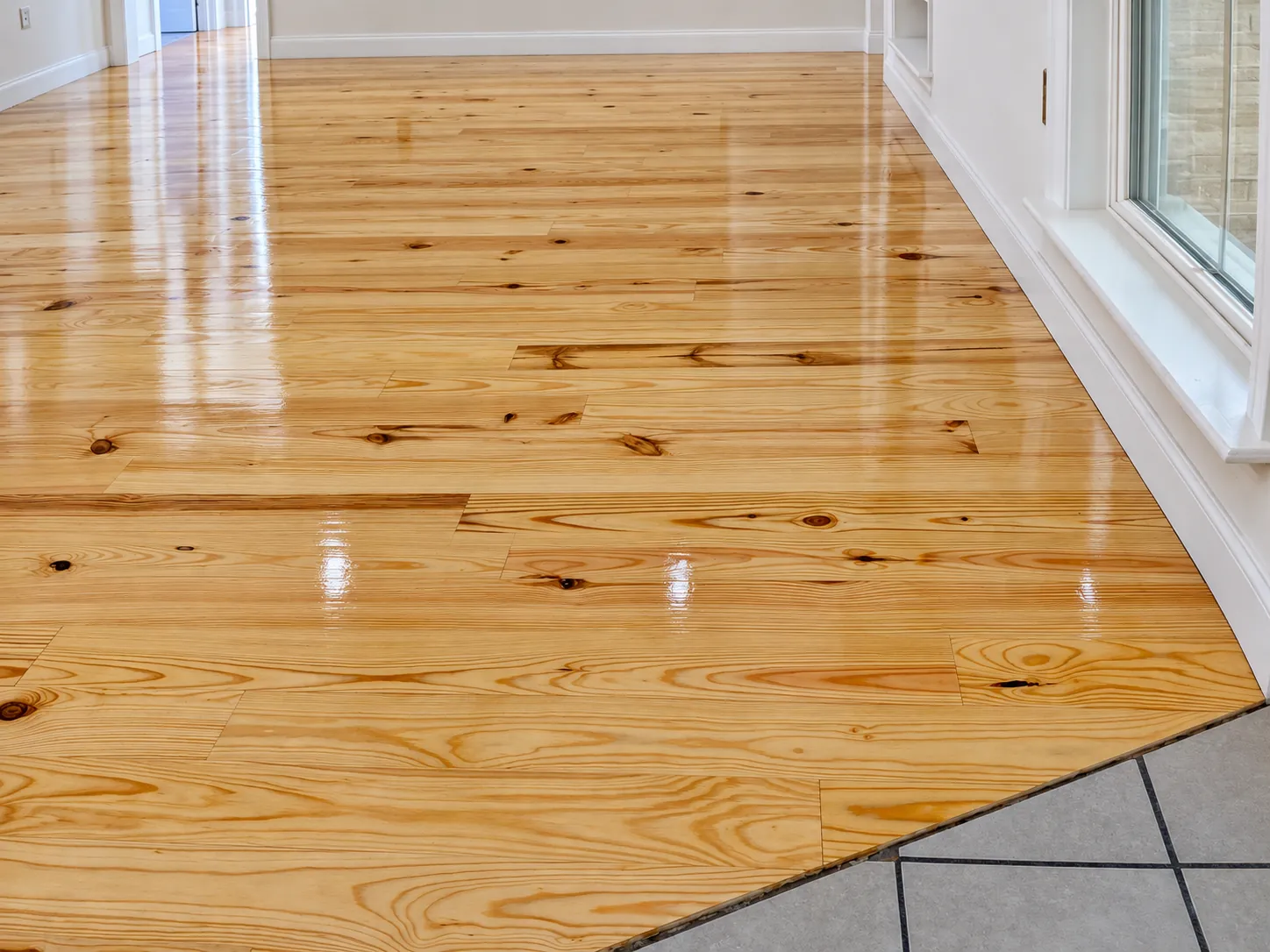
Many homes use two or three flooring types, and that is perfectly fine. The key is planning: keep floor heights close so transitions are smooth, choose colors that work together, and place changes at natural breaks like doorways. AVS Flooring pays attention to transitions, measurements, and layout before installation begins so the finished floors feel like they belong together.
See Them Side by Side
Photos only go so far. At the AVS Flooring showroom at 4290 Lakeland Dr in Flowood, you can compare real LVP, hardwood, and tile samples, feel the textures, and see colors in real light. Tell us how the room is used and what you dislike about your current floor, and we will give you practical recommendations without pressure. Request a free quote or call 601-953-3073.